

Explore curiosity as a practice that can deepen understanding, challenge assumptions and open new possibilities in leadership, relationships and everyday

Explore the freedom that comes with recognising your choices and reclaiming agency, responsibility and ownership over the direction of your life.

Explore what lies beneath appearances and discover how deeper questions, hidden patterns and unseen influences can change the way we understand ourselves.
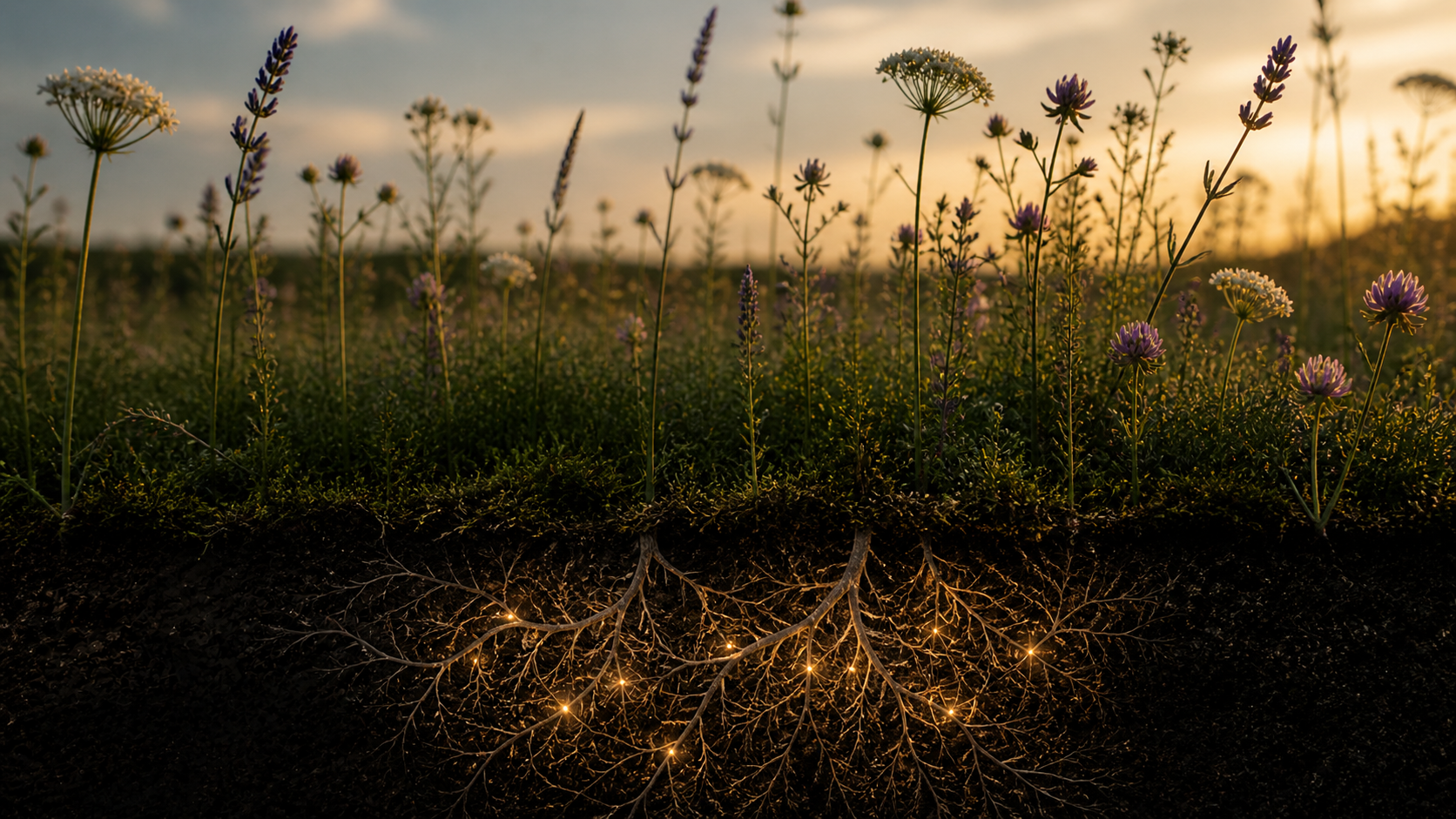
Explore the relationships, experiences and systems that sit beneath your work and shape how you lead, connect, create and contribute.
Explore the hidden patterns beneath apparent chaos and discover how paying attention to nature, behavior and experience can reveal deeper connections.
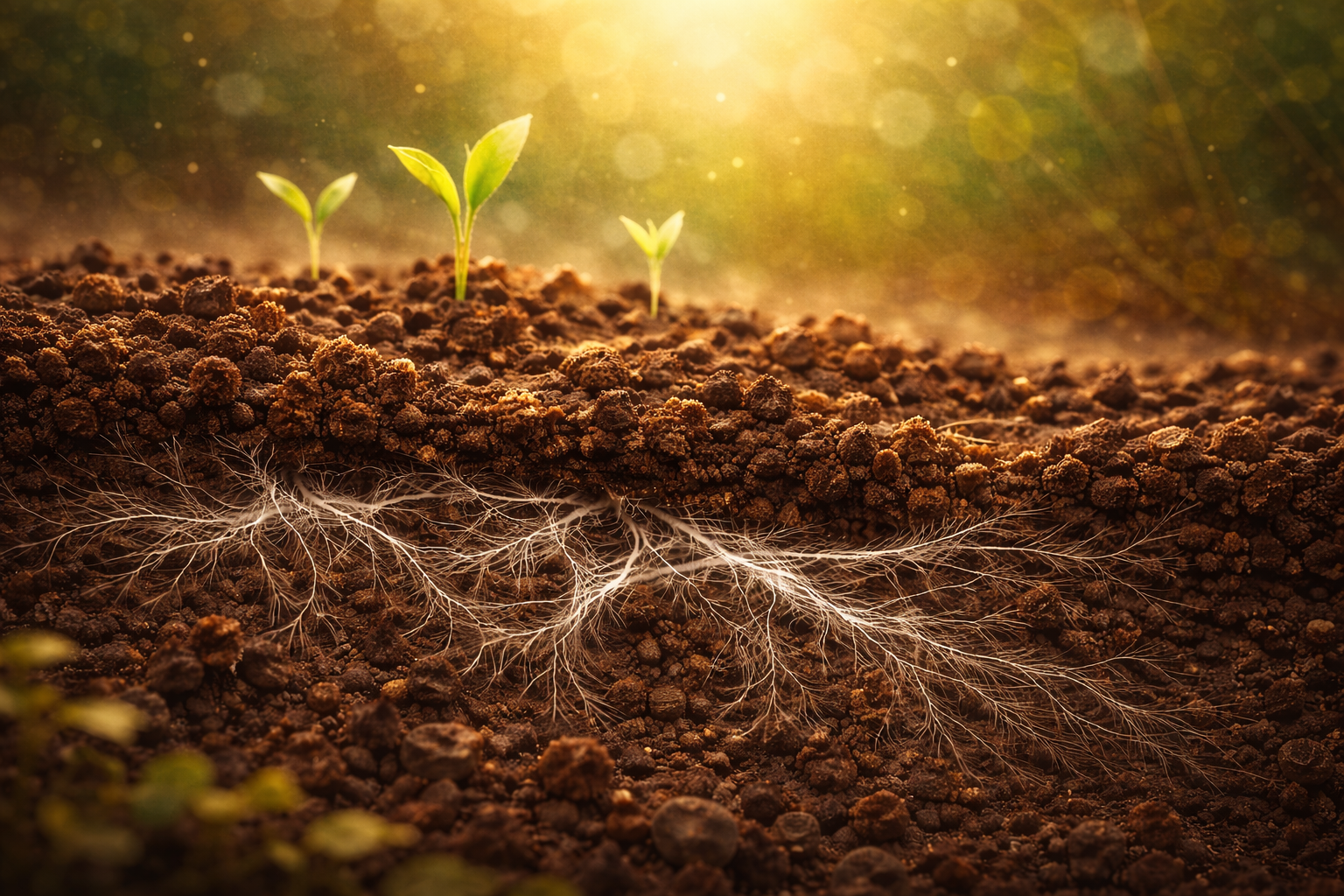
Explore the unseen forms of power that shape our world, relationships and choices, and consider how influence operates beneath the surface.

Learning to Trust Timing in Leadership and Growth
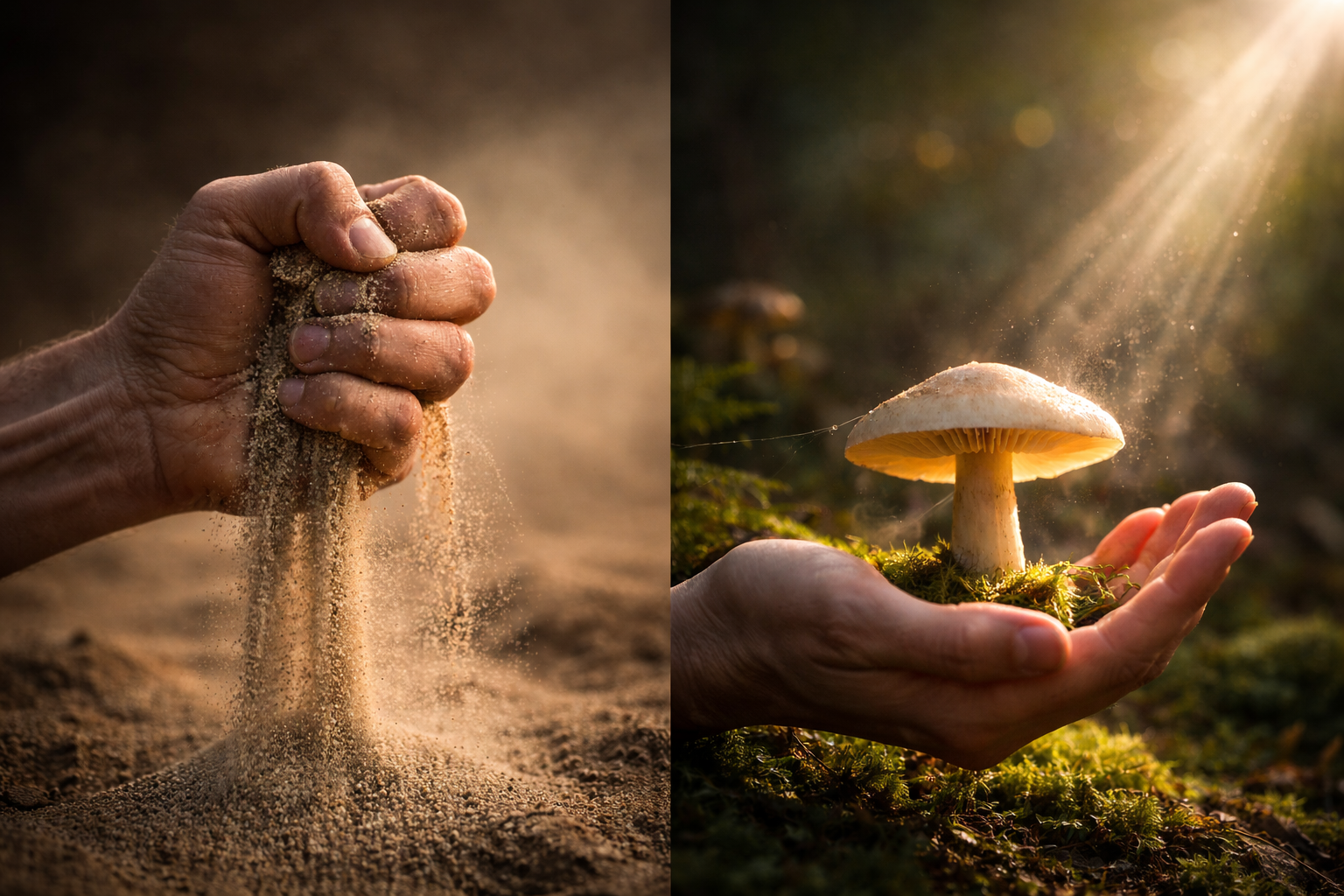
Recently, I sensed two movements within me — one clear, the other still forming. The clarity came from a postgraduate seminar I attended last week. As I listened to the discussion unfold, and particularly to the responses from others in the room, I realised something important: when I present my own work in May, I am likely to encounter similar pushback. Not because the work is weak, but because it touches something deeper - identity, belief, long-held frameworks of meaning. I can prepare for that. Not by sharpening my arguments, but by grounding myself. By expecting resistance without personalising it. By holding a tone that reflects the very essence of my work - awareness without accusation, compassion without the removal of responsibility. I don’t need to resolve discomfort in the room. I only need to hold space for it. Alongside this clarity, something else has been quietly rising: A recognition that much of what has filled my world for the past decade - social media, political commentary, prescribed ways of doing business - no longer feeds me. I still need to remain connected in order to share my work. But I no longer wish to be immersed in that constant stream of noise. It leaves me asking a different question: How do I stay rooted while only lightly touching the surface? There is something unsettling in this shift. Stepping back from constant visibility, from chasing outcomes, from managing how things unfold - it feels, at times, like relinquishing control. And that’s not comfortable. Because control is the only model of power most of us have ever seen. Control plans. Drives. Secures. Measures. But what I am beginning to understand is this: control and power are not the same thing. Control is often a response to uncertainty - an attempt to ensure that something happens. Power, however, does not need to grip. It does not disappear when effort is withdrawn. It remains. This realisation came into sharp focus through a simple exchange. After the seminar, I wrote to the presenter, offering a reflection on his work - particularly on the role of shame in shaping defensive responses. His reply was generous and thoughtful. More than that, he engaged with the idea. He took it seriously. I hadn’t tried to persuade or position. I had simply offered what I saw. And it created movement. That is when I recognised it: This is power, not control. Control seeks to manage outcomes. Power changes the space in which outcomes arise. It does not force agreement. It invites expansion. There is still a sense of fear in this - a loosening of the structures that once provided reassurance. But alongside that fear is something steadier. Not hope, which looks forward and waits to be confirmed. But trust. Trust does not ask, “Will this work?” It says, “I will meet what comes.” And perhaps that is where real power begins - not in holding everything together, but in standing, grounded and present, as life unfolds.

We often think of liminal spaces as waiting rooms. Temporary pauses between what was and what will be. Places we pass through on the way to something more real, more productive, more defined. But what if a liminal space is not a waiting time at all? What if it is a legitimate time in its own right? I am currently in such a space. Not a tourist, not a resident. Here for a month. Long enough to settle, but not long enough to belong in the conventional sense. And in that in-between, something unexpected is emerging. There is no expectation on me here. That, in itself, is different. I have come straight from a performance environment — a global speakers’ conference where identity is shaped through delivery, reception, and visibility. There are clear reference points: audience, outcomes, feedback. You know where you stand. And then… nothing. No stage. No audience. No structure. It is not disorienting in the sense of confusion. It is de-orienting — the removal of orientation altogether. The usual coordinates by which I locate myself have fallen away. And what remains is a question I did not expect to face so directly: Who am I when nothing is required of me? I notice the reflex to produce. The subtle voice that says I should be doing something, achieving something, making use of this time. A lifelong imprint shaped by a work ethic that equates worth with output. But here, that pattern is gently exposed. Because nothing is asking that of me. And in its place, something quieter begins to emerge. Each morning, instead of asking what I need to do, I find myself asking: What is calling me today? It is not a question of discipline in the traditional sense. It is discipline as self-trust. A willingness to listen rather than to impose. Some days, what calls me is observation — the cadence of rain, the movement of birds, the rhythm of a place that does not hurry. Some days, it is rest. Some days, it is thought — a thread that wants to be followed, not forced. Curiosity begins to lead. And I am discovering that curiosity is not distraction. It is direction — just not in a linear form. This space is gently confronting. It reveals how deeply the need to justify time through productivity has been embedded in me. And yet, it is also freeing. Because if creation itself was declared good without needing to achieve or produce, then perhaps there is a form of goodness — of wholeness — that exists simply in being. This month is showing me that being is not the absence of work. It is the ground from which all true work emerges. And perhaps that is the quiet invitation of liminal spaces: Not to rush through them. Not to fill them. But to inhabit them. Fully. Attentively. Trusting that nothing essential is lost in the absence of urgency. This is not an anomaly. It may, in fact, be a more honest way of living.

At a recent speakers’ conference, I noticed a session titled Hooked and Booked. The presentation focused on how to craft talks that “sell themselves.” It clearly designed to help speakers think more strategically about their work. Yet it was the title itself that stayed with me. Hooked and Booked. The phrase is clever, but when I paused to sit with it, I realised how much our professional language is shaped by metaphors of capture and conquest. “Hooked” comes from fishing - the act of catching something, often before it fully realises what has happened. “Booked” turns that moment of capture into a transaction. None of this is unusual. In fact, it reflects the everyday language of business and marketing. We talk about grabbing attention, targeting markets, dominating the stage, winning clients, and closing deals. Much of this language comes from the worlds of warfare, hunting, and competition. And it made me realise something quietly but clearly: these are metaphors I no longer want to live inside. Language is never neutral. The words we choose shape how we understand influence, leadership, and success. If our language comes from warfare or capture, it subtly trains us to believe that power is something exercised over others - something we win, secure, or extract. But what if the world we want to build requires a different language? Much of my work now sits within the framework of Mycelatrix™ , which draws inspiration from the underground networks of mycelium in nature. Mycelial networks do not compete in the way we often imagine. Instead, they connect. They share nutrients. They strengthen the health of the entire ecosystem. In that world, influence looks very different. Instead of hooking people, we invite them. Instead of capturing attention, we resonate with those who recognise something of themselves in the work. Instead of targeting audiences, we speak to communities that already exist. Influence becomes less about capture and far more about recognition. This shift also helped me understand something about my own work as a speaker and writer. Many presentations promise action - practical steps to take tomorrow morning, tactics to implement immediately, strategies to drive results. My work often asks for something different. It asks for reflection. Rather than pushing people toward action, it cultivates recognition - those quiet moments when someone suddenly sees something they had not seen before. Recognition of their own patterns, their leadership, their assumptions, or their influence. Recognition is slower. It cannot be forced or engineered. It ripens in its own time. And perhaps that is why reflection can feel uncomfortable in environments that reward speed, performance, and certainty. Yet reflection is often where real change begins. The words we use matter because they reveal the world we believe in, and the world we are helping to create. When we speak in the language of conquest, we reinforce systems built on competition and control. When we speak in the language of connection, invitation, and growth, we open the possibility of something different. Perhaps one of the quiet superpowers available to all of us is this: To listen carefully to the words we use. To notice when they no longer fit. And to choose language that reflects the world we are ready to live in. Because before we change systems or structures, we almost always change the words.

New Title
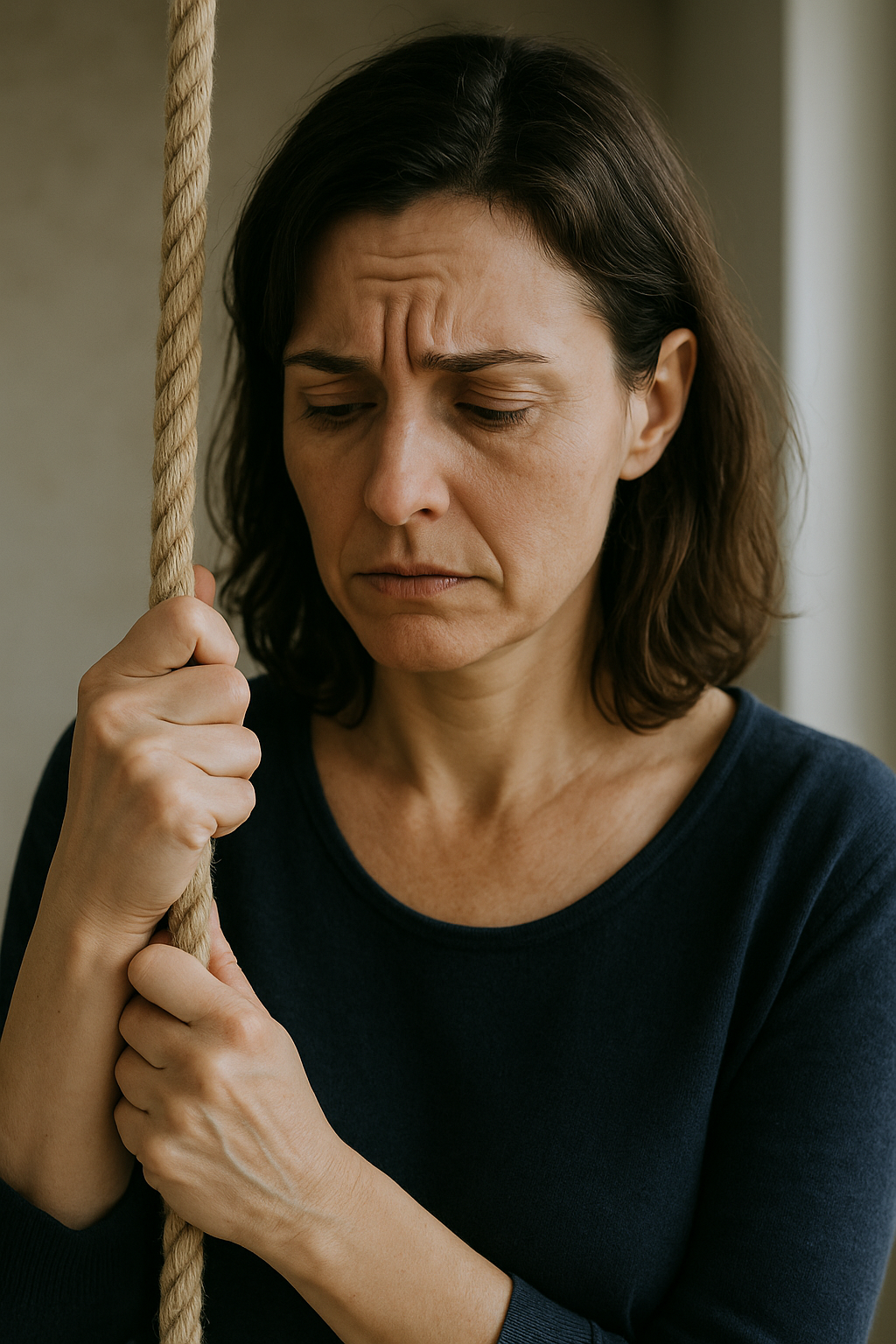
For many years, I lived on hope. Not the light, spacious kind of hope that opens futures, but a heavy, determined hope that asked me to endure, to wait, to try harder. A hope that whispered: If you can just get this right, things will change. Recently, while watching a television show, I recognised parts of my own life unfolding on the screen — a woman navigating a relationship shaped by imbalance, disappointment, and unspoken strain. What struck me wasn't the familiarity of the story, but my response to it. I could see it clearly. I could feel compassion. And yet I was no longer bound or defined by it. That distance allowed a phrase to surface — one that has stayed with me ever since: Hope can require self-betrayal. For over a decade in my first marriage, I hoped against hope. I hoped the relationship would improve. I hoped the toxicity I couldn't yet name would lessen. I hoped that if I could just find the right key — say the right thing, be the right version of myself — then the marriage would become healthy and whole. What I couldn't see at the time was the cost of that hope. In holding on to what I believed was a virtuous, faithful, even noble form of hope — shaped by my Christian faith and the cultural expectations placed on women within marriage — I was quietly betraying myself. I betrayed my needs. I betrayed my values of honesty, openness, and mutuality. I betrayed the truth that while I was strong, I could not — and should not — have to carry everything alone. I needed partnership. I needed steadiness. I needed my husband's strength alongside my own.Instead, I learned to endure. To accommodate. To keep working at something that was not working for me. The turning point did not come through greater effort or deeper faith. It came when hope finally died. I realised — with devastating clarity — that there had never been a time when that relationship was truly healthy. Stable at moments, perhaps. Functional, mostly. But never grounded in the kind of mutual care and integrity that allows two people to flourish. And when that hope died, something else became possible. Without hope tethering me to an imagined future, I could finally listen to the truth of my own body, my own values, my own needs. I could begin to be faithful to myself — not as an act of selfishness, but as an act of integrity. This reflection isn't an argument against hope itself. It is an invitation to examine what kind of hope we are holding — and at what cost. If this resonates with you, if you recognise yourself in this tension between endurance and self-betrayal, I'd love to hear from you. Does this strike a chord for you? Share your reflections in the comments below. If you'd like to receive more writing like this , exploring integrity, identity, and the quiet reclaiming of self, you're warmly invited to join my newsletter by leaving your email details. Sometimes the bravest act is not holding on — but letting go.
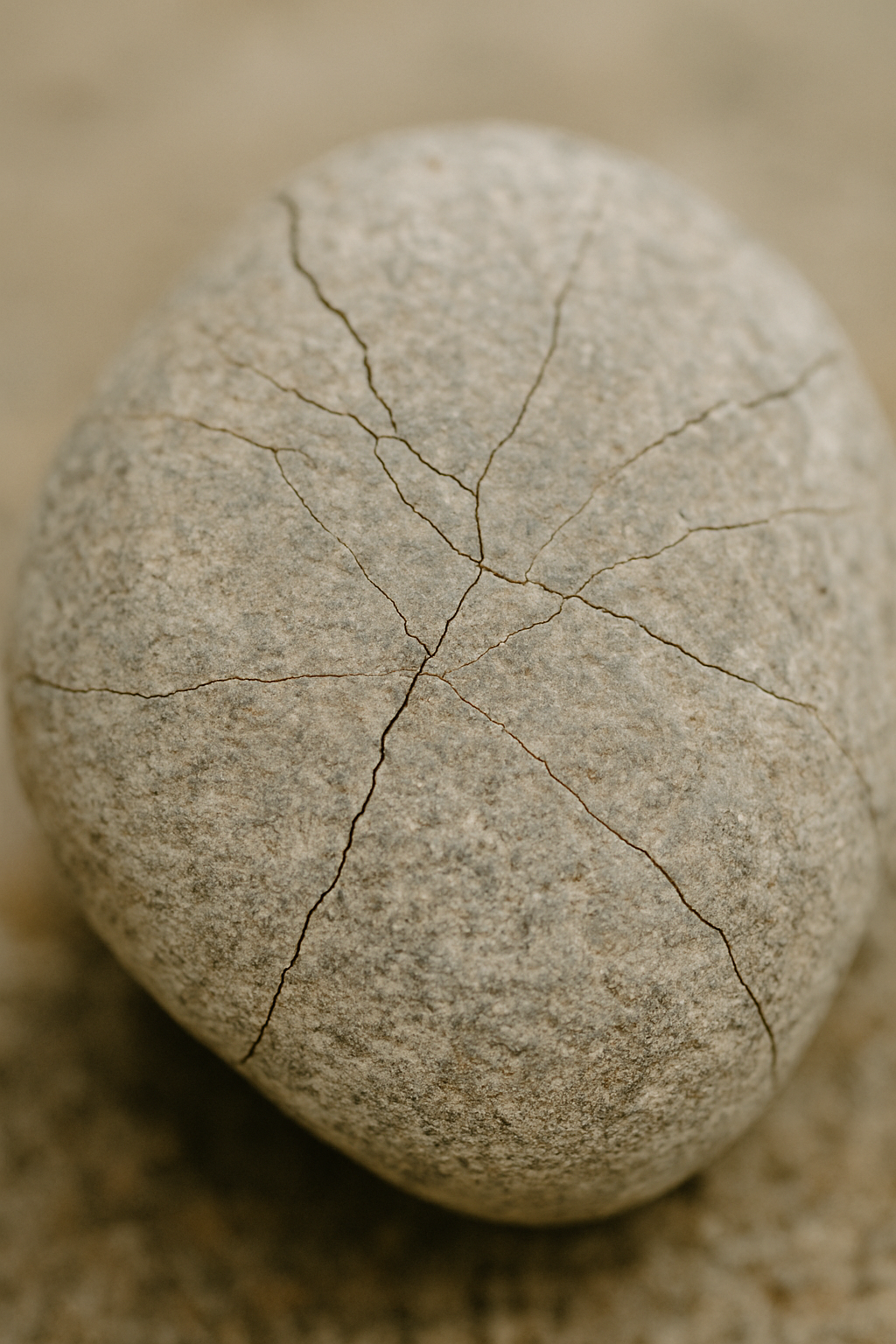
Over the past few days, I’ve been aware of a heaviness I couldn’t quite name. Nothing dramatic had happened. Life was unfolding as it usually does. And yet there was a quiet emotional density sitting just beneath the surface — not overwhelming, but persistent, as though something inside me was waiting to be acknowledged. It wasn’t until this morning that the clarity arrived. As I reflected on why certain novels affect me so deeply — why I sometimes need to close the book and let tears gather — I recognised something essential about myself: it is not the dramatic scenes or the grand tragedies that undo me. It is the small moments. The quiet cruelties. The dismissive words. The everyday meanness that characters inflict on one another without even noticing. A sharp comment. A look intended to diminish. A casual hurt passed off as nothing. Those are the moments that pierce me. Those are the ones that bring the tears.And today I finally understood why. I know the weight of small wounds . I have lived them. My first marriage was marked by passive-aggressive behaviour — not explosive, not overt, but steady, quiet harm. Tiny cuts delivered without ownership. Each one too minor to point to, but collectively erosive. Over time, I learned what emotional abrasion feels like: the slow wearing-down, the internal calculation of “Is this worth mentioning?” and the ongoing tolerance of harm that never quite qualifies as harm. Death by a thousand cuts. That is how I used to describe it. So when I encounter subtle hurt in fiction, it resonates instantly. It’s not about reliving the past. It’s about my body recognising the energetic shape of something familiar. Not trauma returning, but truth remembered. And interestingly, once I named it — once I said internally, Ah, this is the weight of small wounds — the heaviness lifted. Completely. The clarity itself was release.This is what healing looks like now. I don’t brace against the feeling. I don’t collapse beneath it. I don’t override it with logic or judgement. Instead, I let the sensation move through, noticing it with tenderness and then allowing it to go. There is no torment in this recognition. There is only testimony. The tears that rise when I read those scenes are no longer the tears of a woman burdened by her past. They are the tears of a woman who survived, who understands herself, and who feels deeply without losing herself. And there is a broader truth here for women in leadership. Small wounds happen everywhere — in workplaces, meetings, families, communities. They are often dismissed because they are subtle. But their impact on confidence, belonging, and self-trust is profound. Naming them is part of reclaiming power. Feeling them is part of reclaiming humanity. Speaking about them — publicly, on platforms not always designed for feminine wisdom — is part of reshaping leadership itself. I share this here because women need to see their emotional intelligence reflected and validated. Because leadership that makes room for nuance, empathy, and embodiment is stronger, not weaker. And because the weight of small wounds lifts the moment we recognise it for what it is. If this resonates with you, I invite you to share your reflections below or join my mailing list for weekly updates.

The Gentle Art of Becoming Recently, I found myself in Sydney, wandering along Circular Quay. A huge cruise ship was docked, its towering presence casting a long shadow across the wharf, and tourists were doing what tourists do — drifting in clusters, taking photos, following tour guides with small flags or signs, absorbing everything with a kind of wide-eyed openness. I had no particular agenda that morning. I was simply walking, letting my feet find their own pace. And that was when I heard her. Off to one side, a young woman sat with an electric violin tucked under her chin, her bow moving with effortlessly. What poured out wasn’t classical or recognisable; it was the kind of music that seems to pulse from somewhere deep within the earth. My feet began tapping, my hips swayed a little. I stopped. I listened. And something inside me — something that lives closer to instinct than intention — whispered: Dance. I walked over, placed some money in her case, and said, with a smile that felt almost too wide for my face, “Your music makes me want to dance.”She beamed. “Oh, you can dance!” she said, sweeping her arm out toward the open space around us. It was such a simple statement, so matter-of-fact. Of course I could dance. Of course the space was mine. Of course the invitation was real. And yet — I didn’t move. Not because I didn’t want to. But because of something quieter, deeper, more familiar. A thread of conditioning woven through decades of being a woman in a culture that teaches its girls early and relentlessly: Don’t draw attention to yourself. Don’t make a spectacle of your body. Don’t be too much. Don’t take up space. And so, I didn’t dance with my feet. But I danced in my heart.I softened into her music. I let it move inside me. Tears pricked unexpectedly, and I smiled — widely, openly, unapologetically — because even though my body stayed anchored to the ground, something in me was dancing, freely and without restraint. nd perhaps even more importantly: I did not berate myself for not dancing. I didn’t call myself cowardly. I didn’t scold myself for “missed opportunities.” I didn’t shame the hesitation. I didn’t demand instant transformation. There was a time in my life — a long time — when I would have.But on this morning, I simply allowed myself to be exactly where I was. I stayed. I listened. I softened. I let the music reach the places in me that were ready to be reached — no more, no less. And the kindness I offered myself in that moment felt like its own kind of dance. Soft. Unhurried. Born of deep knowing. Because the truth is this: You cannot undo decades of conditioning in a single moment of courage. Nor should you force yourself to. The work of becoming — true becoming — doesn’t happen through pressure or force or emotional gymnastics. It happens slowly, gradually, almost imperceptibly, until one day the light is simply there and you realise you are standing in it. The Gentle Work of Becoming We have been sold, in so many ways, the myth of the dramatic transformation: the big leap, the grand gesture, the overnight change. And yet, if you pay attention to your actual lived experience, you’ll notice that your deepest shifts never happen that way. They begin quietly. Privately. Softly.Long before there is any external sign, something inside you reorients itself. A small courage awakens. A long-buried longing surfaces. A truth you’ve been avoiding finally speaks clearly. What I’ve learned — and what Mycelatrix™ is built upon — is that real transformation does not rush. It unfolds.Just like mycelium beneath the forest floor, change spreads invisibly first. Networks form. New life stirs. Strength gathers quietly. And only later — sometimes much later — does something break the surface where others can see it. This way of being isn’t passive. It isn’t avoidance. It is organic. It is alive. It is sustainable. In the Mycelatrix™ world, everything grows from the inside out: Roots before fruit. Resonance before visibility. Inner movement before outer action. This honours the truth that change has its own timing — just like my urge to dance did. The moment wasn’t wrong. My response wasn’t wrong. The internal dance was real, even if my feet remained still. When we show ourselves kindness at these small, quiet thresholds, something profound happens. The old conditioning — the “don’t be seen,” the “don’t be too much,” the “don’t step out of line” — begins to loosen. Not shattered or destroyed (that, too, is a myth), but softened. Made porous. Rewritten from within. And one day, without forcing anything, you may find yourself rising from the bench, stepping out into the open space, and dancing — not because you pushed yourself to “be brave,” but because something in you simply said: Now. That is the Mycelatrix™ way. That is becoming without breaking yourself open. An Invitation to You So let me ask you gently: Where in your life are you longing to “dance,” but still learning to soften the conditioning that holds you still? And more importantly: What would it feel like to offer yourself the same kindness — the same spacious, Mycelatrix™ gentleness — as you take your next small step? You don’t need to leap. You don’t need to perform bravery. You don’t need to “fix” decades of inherited patterns in one moment.Let it unfold. Let your heart move first. Your feet will follow when they’re ready. I’d love to hear from you. If this reflection resonated with you — if you’ve had your own “almost-dancing” moments, or if you’re learning to be gentler with yourself as you grow — I invite you to share your thoughts in the comments below. And if you’d like more reflections like this, alongside my ongoing work with Mycelatrix™, leadership, archetypes, and the quiet revolutions of self-awareness, you’re warmly welcome to subscribe to my newsletter for weekly insights. Your voice, your journey, your unfolding — they matter here.

We often hear the advice: take a helicopter view. Rise above the detail. Step back. Be fiercely objective. It's familiar guidance in research, leadership, and personal development — the belief that clarity comes from distancing ourselves from the tangle of specifics. But the more deeply I reflect on this idea, the more apparent it becomes that pure objectivity — the clean, unfiltered vantage point we imagine — doesn't really exist. Not because we aren't trying hard enough. But because we are human. Every one of us carries a unique constellation of experiences, beliefs, assumptions, and unconscious biases. They shape how we interpret the world long before we have a chance to "zoom out." They determine what we notice, what we ignore, and the stories we instinctively attach to situations. To insist we can fully remove ourselves from this inner landscape risks hiding its influence rather than illuminating it. Objectivity, in its truest and most ethical form, doesn't require us to deny bias. It asks us to recognise it. It asks us to name the lenses through which we see. To be transparent about our own positioning. To acknowledge the forces — personal, cultural, relational — that shape our perceptions. This isn't a flaw in our perspective. It's a strength. When we become aware of our biases, they lose their power to operate unnoticed. When we understand how we are shaped, we gain the capacity to step back with greater clarity, not less. Awareness becomes the anchor that allows us to hold critical distance without pretending we stand outside our own humanity. This is the quiet revolution at the centre of the work I do: awareness as a form of power. Not the loud kind. Not the heroic kind. But the grounded, steady kind that transforms how we lead, relate, and make sense of complexity. True clarity doesn't come from standing above the landscape. It comes from knowing the contours of our own inner terrain. It's slow work. Deep work. Transformative work. And it's available to all of us. Reflection for you: Where might acknowledging your own assumptions or biases actually increase your clarity, rather than compromise it? If this speaks to you... I'd love you to join the conversation. Share your thoughts in the comments — or if you'd like more reflections like this, you're warmly invited to join my mailing list for weekly updates and insights. Your awareness is a power. Let's explore it together.